Oil Change Auckland: Done Right for Your European Car


Your dashboard just flashed a service reminder. Or maybe it’s that oil level warning on your Audi or BMW, the one with no dipstick to check. Either way, you’re wondering how long you can put it off.
Here’s the honest answer from a mechanic: not long. On a German engine, the oil does far more work than most people realise. And the wrong oil can do nearly as much damage as old oil.
At Vorsprung Automobil, we only work on European cars. We know exactly what your engine needs, and we’ll get you in and out with minimal fuss.
Contact us now to book your service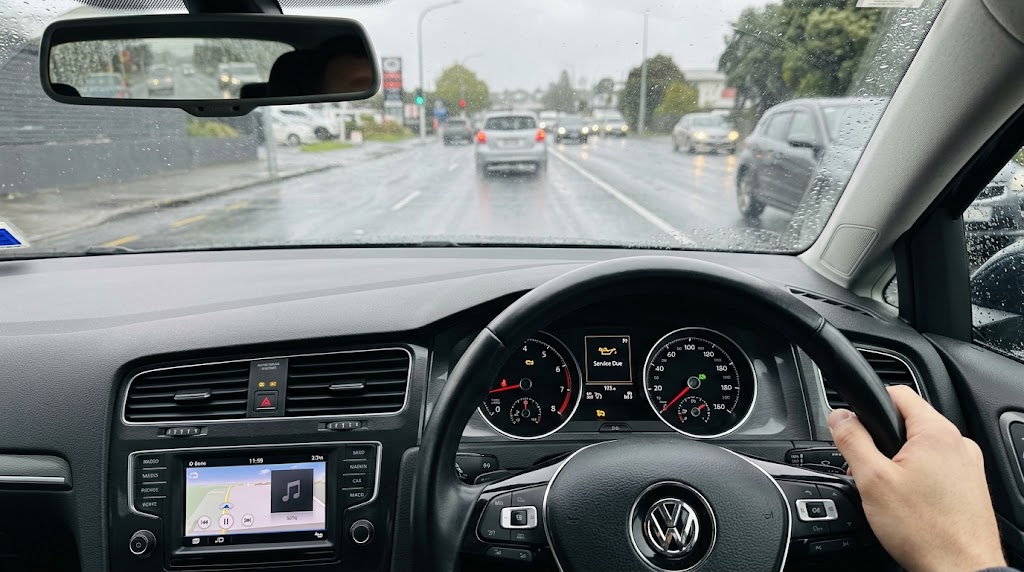
Why Your European Engine Is Fussier Than Most
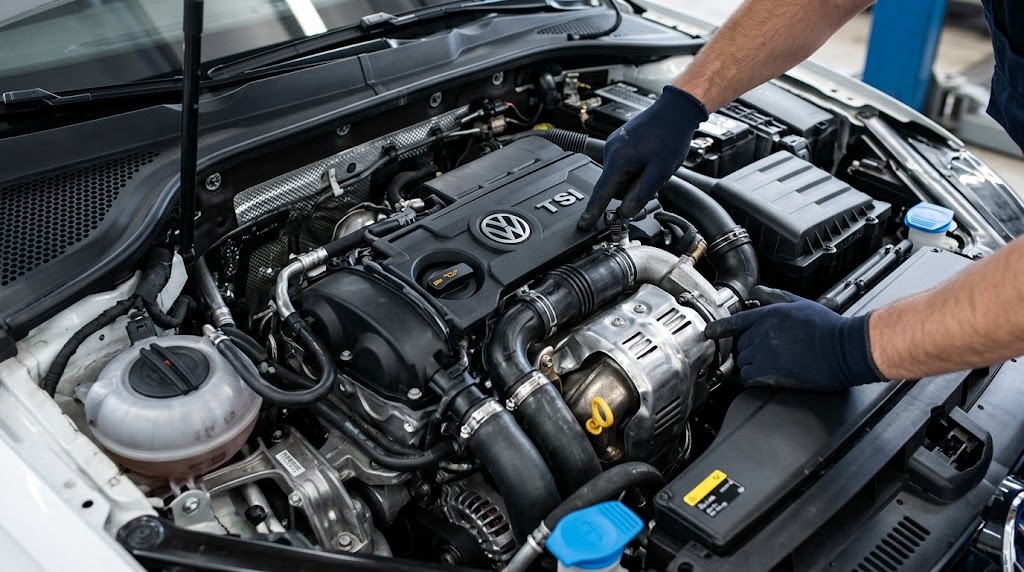
A modern Audi, VW or BMW isn’t a simple engine. It’s turbocharged, direct-injected, and built to tight tolerances. That makes it powerful and efficient. It also makes it unforgiving.
Engine oil in these cars does several critical jobs at once. It reduces friction between metal parts that spin thousands of times a minute. It carries heat away from the turbocharger, which can run hot enough to glow. It keeps the timing chain tensioner and variable valve timing (like BMW’s VANOS) working at the right pressure. It also traps soot and fuel residue, so they don’t settle inside your engine.
When oil breaks down, it no longer performs these functions well. That’s when engine wear quietly speeds up, long before you notice anything.
We regularly see what happens when oil changes are stretched: sludged-up engines, noisy timing chains, and turbos that fail early. Those are costly repairs. A regular oil change costs a fraction of any of those.
Contact Us For a Free QuoteNot All Oil Is the Same (And This Is Where Quick-Lube Shops Get It Wrong)
Walk into a generic quick-service oil changer, and you’ll often get “a 5W-30 synthetic.” Sounds fine. It often isn’t.
European manufacturers don’t just specify a viscosity. They specify an approval standard, and the oil has to be tested and certified to meet it. For example, VW and Audi use codes such as 504 00/507 00 and 508 00/509 00. BMW uses Longlife-01, LL-04 and LL-17FE+. Mercedes-Benz uses 229.51, 229.52 and 229.71.
These aren’t marketing labels. They cover things like how much ash the oil leaves behind. That matters a lot if your car has a diesel particulate filter (DPF) or petrol particulate filter (GPF). The wrong oil can clog those filters over time, and replacing them isn’t cheap.
That’s why we always match your oil to the vehicle manufacturer’s specifications, using quality oils approved for your exact engine and model. No guesswork. No “close enough.”
Synthetic vs Conventional Oil
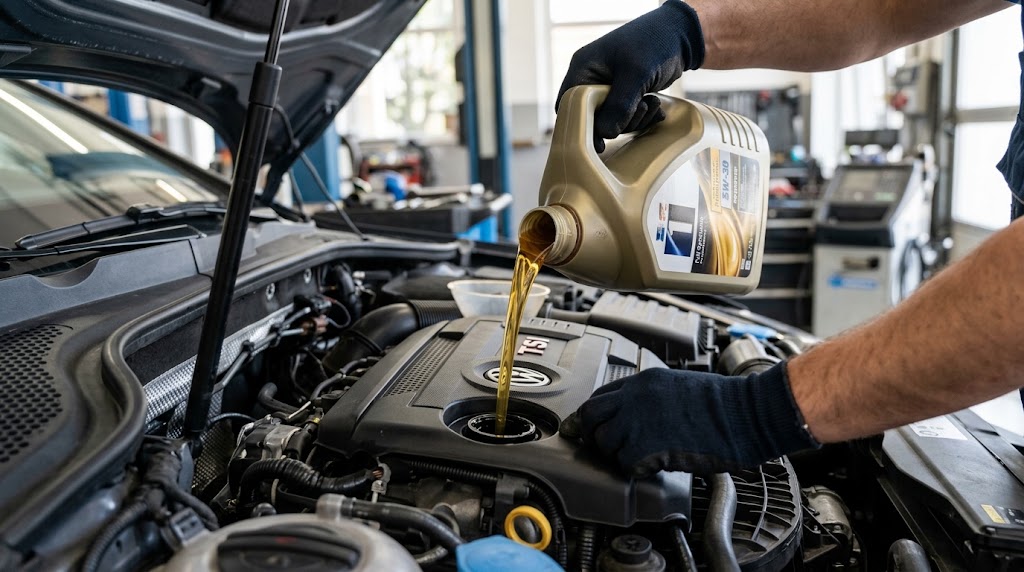
You’ll hear about conventional (regular) oil and synthetic oil. For almost every modern European car, full synthetic is essential, not optional. It resists heat breakdown far better, flows faster at cold start, and protects the engine longer between changes.
Conventional oil still has its place in some older, simpler engines. But in a turbocharged German car, it simply doesn’t provide the protection you need.
How Often Should You Change the Oil?
Some European cars come with “long-life” service intervals of up to 30,000 km or two years. On paper, that’s fine.
In the real-world context of driving in Auckland, we generally recommend shorter intervals.
Conditions such as frequent stop-and-go traffic, short journeys, and prolonged idling are considered ‘severe’ because they prevent the engine from operating at optimal temperatures.
As a result, moisture and unburned fuel can accumulate in the oil rather than evaporate or burn off, which affects oil quality and engine longevity.
For most of our customers, an oil and filter change every 10,000 to 15,000 km, or once a year, is the sweet spot for engine longevity. If you tow, drive hard, or do mostly short trips, we may suggest a little sooner.
The right frequency depends on your driving habits, your engine, and your car’s age. We’ll help you determine a schedule that makes sense for you, not a one-size-fits-all number.


What’s Included in Our Oil Change Service
This isn’t a drain-and-go job. Every oil change at Vorsprung Automobil includes:
- Full drain of old oil while the engine is warm, so contaminants flow out with it rather than staying behind.
- Genuine or OE-quality oil filter change, fitted with new seals. On many European cars, the filter is a cartridge type with O-rings that must be replaced every time.
- New drain plug washer, torqued to factory specification. Over-tightening an aluminium sump is a common and expensive mistake.
- Fresh, manufacturer-approved engine oil filled to the correct level, checked with the car’s electronic oil level system where there’s no dipstick.
- Reset the service indicator using proper diagnostic equipment, so your dash reminder is accurate.
- Multi-point safety check including brake pads and fluid, power steering, coolant, tyres, lights, wipers and any visible leaks.
If we spot anything, we’ll tell you straight: what it is, how urgent it is, and what it’ll cost. You decide what happens next. We never do extra work without your go-ahead.
The Difference Clean Oil Makes
Fresh oil does more than protect your engine for the future. You’ll feel it now.
With clean oil, the engine runs smoothly and quietly. Less internal friction means the engine doesn’t have to work as hard, which improves fuel efficiency. Oil that’s doing its job also keeps operating temperatures stable, which reduces the risk of overheating in summer traffic.
Dirty oil, on the other hand, thickens and loses its protective ability. Performance drops. Fuel use creeps up. And wear builds silently in places you can’t see.
Put simply: regular oil changes are the single most effective thing you can do for your vehicle’s health, performance and resale value.

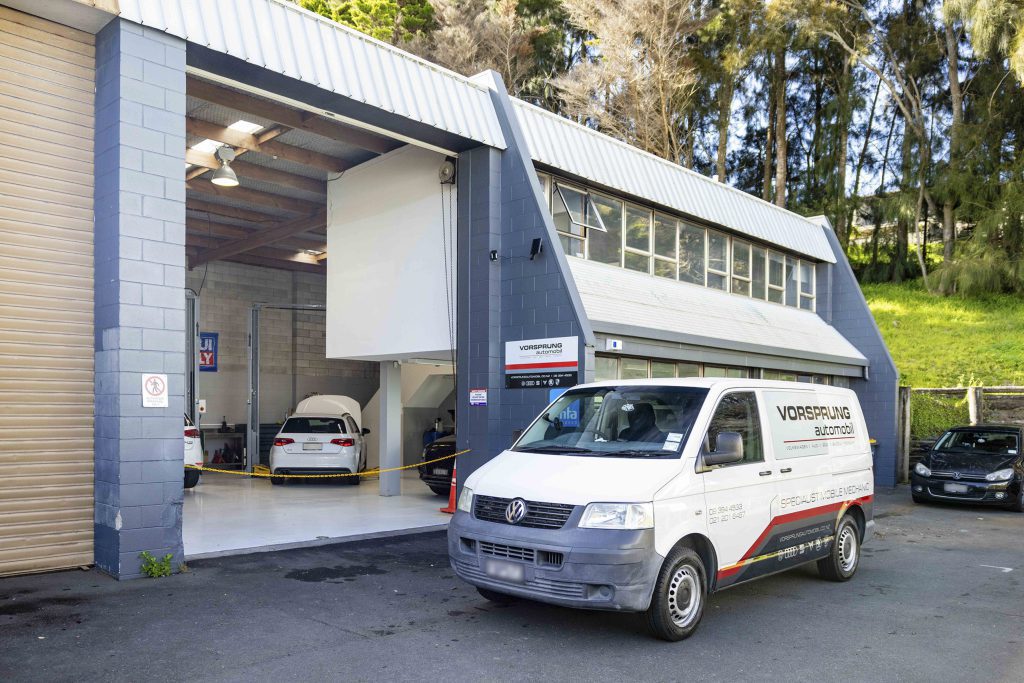
Why Auckland Drivers Trust Vorsprung Automobil
We’re not a general garage that “also does Audis.” Our team of technicians works on European cars every day, so we know their common weak spots, quirks, and exactly what they need.
What you can expect from us:
Specialist knowledge at an affordable price. You get dealer-level expertise without dealer-level pricing.
Efficient service. We can do most oil changes while you wait, if arranged at the time of booking. Grab a coffee, relax, and we’ll have you back on the road quickly.
Honest, helpful advice. We explain things in plain English. No jargon, no scare tactics.
Friendly service from people who care. Our customers keep coming back because they get great service every visit, and we’re proud of that.
Your oil change also keeps your service history up to date, which helps maintain your warranty and protect your car’s value.
Frequently Asked Questions About Oil Change in Auckland
It depends on your car’s engine size and the oil it requires. European engines often take more oil and need specific approved grades. Contact us with your make and model for an accurate quote.
Topping up between services is fine if the level drops. But it doesn’t remove the contaminants and broken-down oil already in the engine. Only a full drain and filter change does that.
Many turbocharged European engines use a small amount of oil between changes, and manufacturers consider this normal within limits. If you’re topping up often, let us know, and we’ll check for leaks or other causes.
In New Zealand, you can have your car serviced at an independent workshop without voiding your warranty, as long as the work follows manufacturer specifications and uses the correct parts and fluids. That’s exactly how we work, and we record everything in your service history.
Usually under an hour. Book ahead, and we’ll have everything ready when you arrive.
Book Your Oil Change in Auckland Today
Don’t wait for a warning light or a strange noise. A quick oil and filter service now protects your engine for years to come.
Your car deserves specialist care. Let’s keep it running the way the engineers intended.
Book Your Logbook Service Now